
Space Workforce
Security
Intelligence
SpaceNex AI provides advanced workforce security intelligence for space systems integration. Protect flight hardware and ensure safety with AI-driven proximity analytics, secure perimeter access, and automated hazard zone compliance for aerospace facilities.
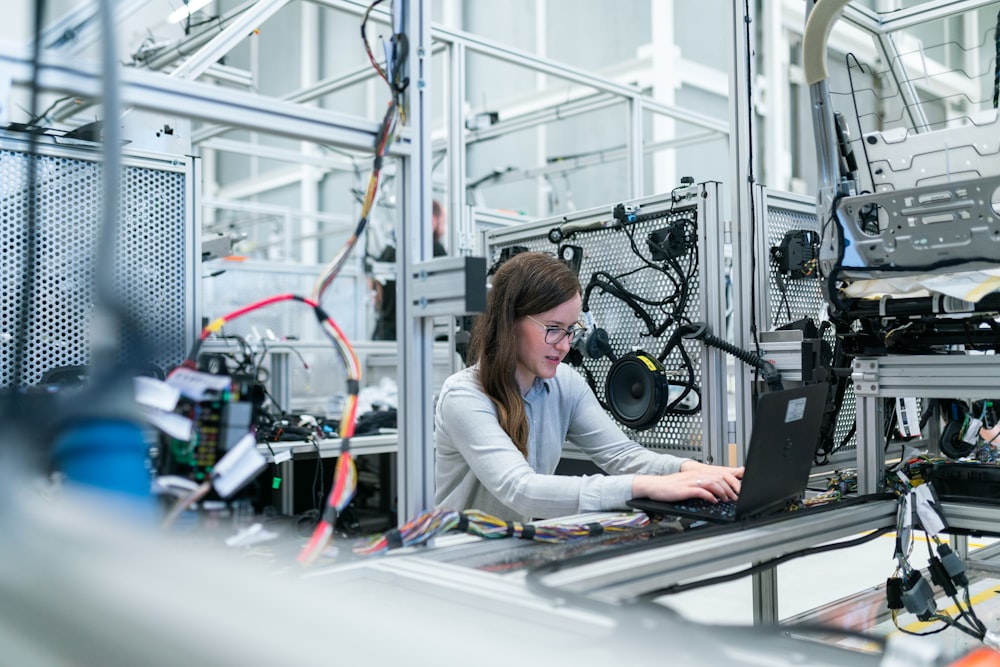
Definitive Command Center for Behavioral Safety & Physical Security
Space Workforce Security Intelligence serves as the definitive command center for behavioral safety logic and physical security within high-precision space systems integration facilities. The system provides real-time monitoring of workforce movement, enforces strict perimeter access controls, and ensures adherence to hazardous area compliance standards to protect mission-critical flight hardware and high-value orbital assets.
Workforce Proximity & Access Logic Console
Configure geofencing margins, inspect secure perimeter gates, and audit safety interactions dynamically.
BEHAVIORAL SAFETY HUB
Operational logic configuration
Personnel Proximity and Safety Geofencing Logic
Aerospace integration facilities demand extreme vigilance regarding the spatial relationship between technicians, sensitive orbital payloads, and collaborative assembly robotics. SpaceNex AI utilizes advanced ultra-wideband (UWB) trilateration and Bluetooth Low Energy (BLE) sensor fusion to establish granular, mission-specific geofencing logic. By equipping personnel with ruggedized, intrinsically safe wearables, the system maintains continuous, sub-meter accuracy of workforce positioning within critical assembly halls, cleanrooms, and thermal vacuum test chambers.
Geofencing parameters are defined dynamically, allowing facility managers to establish virtual barriers around sensitive hardware such as satellite bus assemblies, propulsion systems, and optical payloads. When a technician enters a designated proximity threshold, the system triggers real-time alerts via wearable haptic feedback or visual indicators on the assembly floor. This proactive logic prevents accidental human-to-hardware contact, significantly reducing the risk of electrostatic discharge (ESD) events, mechanical collision, or debris contamination. The underlying sensor fusion system is specifically hardened for the high-EMI conditions common in aerospace environments, utilizing advanced adaptive filtering to mitigate signal noise generated by heavy industrial power distribution, large-scale cleanroom HVAC systems, and high-frequency testing equipment.
Multi-Factor Secure Perimeter Authorization Systems
Securing physical access to spacecraft integration facilities is a non-negotiable requirement for mission assurance and intellectual property protection. SpaceNex AI provides a robust, identity-centric access control framework that transcends simple RFID badge-based authentication. By integrating high-frequency (HF) and ultra-high-frequency (UHF) RFID with BLE proximity detection, the system verifies not only the individual’s identity but also their current clearance level, safety training certification status, and compliance with specialized cleanroom apparel requirements.
Authorization logic is determined by real-time validation against the facility personnel management system and the specific requirements of the ongoing mission cycle. Entry rights may be conditionally restricted based on the current operational state of the floor, such as during volatile propellant loading or critical structural integration phases. The system automates the verification of safety protocols by confirming that personnel are wearing required personal protective equipment (PPE) and ESD-safe gear before granting entry to restricted zones. This multi-factor approach ensures that facility security is constantly aligned with the active operational state of the mission floor, preventing unauthorized exposure of sensitive technologies.
AI-Driven Human-Machine Safety Interaction
Human-machine interaction in space systems manufacturing often involves complex collaborative robotics (cobots) and heavy-duty test fixtures. SpaceNex AI deploys cognitive analytics to monitor these interactions, ensuring that automated systems adapt their behavior dynamically based on human presence. Through the integration of IoT-based proximity sensing and high-fidelity computer vision, the system identifies the intent of the human operator and adjusts robot operational speed, trajectory, and torque limits accordingly.
This safety interaction layer is built upon real-time data ingestion from distributed wireless sensor nodes. The system continuously evaluates the safety distance between personnel and active machinery, applying dynamic braking or path reconfiguration to maintain a safe operational margin at all times. By removing the need for rigid physical safety cages or manual kill switches in specific workflows, the intelligence framework increases the throughput and efficiency of assembly processes without compromising personnel safety. The logic incorporates complex safety algorithms designed to account for ultra-low latency constraints, ensuring that machine responses occur within milliseconds of detecting a proximity breach or behavioral deviation from the defined safety envelope.
Hazard Zone Compliance and Auditing Analytics
Aerospace facilities contain numerous specialized zones where the presence of personnel must be strictly regulated for compliance with rigorous aerospace safety standards (e.g., AS9100) and regulatory mandates. SpaceNex AI provides comprehensive auditing and reporting capabilities for these areas, creating an immutable digital thread of all entry and exit activity. The system correlates personnel movement data with environmental sensor telemetry—such as particulate counts, gas concentration levels, and high-voltage state monitoring—to ensure that presence in these zones is fully synchronized with operational safety mandates.
Auditing analytics provide safety officers with actionable insights into zone utilization and compliance patterns. The system automatically flags anomalies, such as dwell times exceeding specified safety limits or entry into hazardous zones without the required high-security clearance. These logs serve as essential evidence for mission safety reviews and external regulatory audits. By providing high-fidelity transparency into workforce behavior within hazardous zones, the framework enables continuous improvement in safety protocols and operational training programs, ensuring that best practices are consistently applied across all mission-critical integration facilities.
Workforce Operational Pattern Recognition Engines
Understanding how workforce movement patterns influence facility throughput is critical for optimizing long-term space systems manufacturing performance. SpaceNex AI utilizes advanced machine learning to analyze historical and real-time movement data, identifying trends that correlate with both productivity and safety outcomes. These engines classify movement patterns into behavioral categories, allowing production managers to optimize the spatial layout of tooling, parts storage racks, and assembly stations to minimize transit times and reduce the potential for congestion-related incidents.
The recognition engine specifically accounts for the unique operational flows of space systems manufacturing, such as the logistics of movement between cleanroom staging areas and final integration bays. By identifying persistent bottlenecks in personnel flow, the system suggests layout reconfigurations that streamline the assembly process while maintaining the highest levels of safety. These insights are derived from twenty years of operational data, ensuring that recommendations are based on proven patterns rather than theoretical models. This cognitive approach to workforce management transforms traditional safety and security systems into strategic assets that actively contribute to the efficiency of the manufacturing environment.
Applications for Space Systems
SpaceNex AI provides mission-critical workforce security applications across the entire spectrum of space systems manufacturing.
Satellite Integration Facilities
In satellite integration facilities, the system maintains a digital security perimeter, ensuring that personnel proximity to delicate flight optics and guidance electronics is logged and managed to prevent accidental interference.
Launch Integration Sites
At launch integration sites, the application monitors proximity to hazardous propellant lines, providing automatic lockout triggers to prevent unauthorized access during high-risk loading operations.
Cleanroom Assembly Zones
Within cleanroom assembly zones, the system validates that personnel access is strictly restricted to those with verified health and training credentials, effectively maintaining the sterile environment required for high-precision aerospace payloads.
Enterprise Experience & Technical Authority
GAO supported partnerships bringing two decades of deep domain experience in the industrial IoT sector.
SpaceNex AI is developed within Aperture Venture Studio and supported by GAO, a partnership that brings two decades of deep domain experience in the industrial IoT sector. The system is built on a foundation of thousands of successfully executed projects across complex aerospace and defense environments. The company has made heavy investments in R&D, supported by stringent quality assurance processes and top-notch expert support provided either remotely or directly onsite to ensure implementation success.
Headed by Ph.D. professionals from top universities, the company has attracted significant investment and maintains strategic partnerships with key industry leaders. Over the years, the expertise behind the system has supported numerous Fortune 500 companies, leading research and development firms, prestigious universities, and major government agencies across the United States and Canada. This deep technical foundation ensures that every component of our workforce security solution meets the mathematical and reliability standards required for the most demanding space systems integration tasks. Our commitment to high-performance AIoT solutions is reflected in our rigorous approach to data integrity, system security, and technical support, providing our customers with the confidence to manage high-stakes operations in an increasingly complex and regulated environment.